

color mirror sheet
Understanding Small Dial Bore Gauges Importance and Applications When it comes to precision measurement in engineering and manufacturing, small dial bore gauges play a pivotal role. These devices are indispensable tools for assessing the internal diameters of cylindrical objects, such as pipes and engine components. With their compact design and high accuracy, small dial bore gauges offer a practical solution for various applications in industries ranging from automotive to aerospace. What Is a Small Dial Bore Gauge? A small dial bore gauge is a measuring instrument specifically designed to measure the internal diameter of a bore or hole with utmost precision. It typically consists of a dial indicator mounted on a set of interchangeable anvils. The anvils are adjusted to fit the specific diameter being measured, making it a versatile tool for different applications. The gauge's design allows for easy handling and reading, which is particularly beneficial in tight spaces where other measuring devices might be unwieldy. How Does It Work? The operation of a small dial bore gauge is relatively straightforward. The user inserts the gauge into the bore to be measured, ensuring that it touches the walls of the hole evenly. As the gauge contacts the surface, the dial indicator reflects any deviation from the set measurement via a needle or digital readout. This creates a direct correlation between the internal diameter and the dial display, allowing for quick and accurate readings. Benefits of Using Small Dial Bore Gauges 1. High Precision and Accuracy Small dial bore gauges are capable of measuring with high precision, often to within a thousandth of an inch or millimeter. This level of accuracy is critical in applications where even the smallest deviation can affect performance. 2. User-Friendly Design The intuitive design and clear dial readout make it easy for operators to use, even in challenging environments. This simplicity helps reduce human error, which is critical in manufacturing settings. 3. Versatility These gauges can measure varying diameters by simply changing the anvils, which eliminates the need for multiple measuring instruments. small dial bore gauge 4. Durability Constructed from robust materials, small dial bore gauges are designed to withstand the rigors of industrial use. This reliability ensures longevity and consistent performance over time. Applications of Small Dial Bore Gauges Small dial bore gauges find their applications across multiple sectors - Automotive Industry In automotive manufacturing, precision is paramount for engine components. Small dial bore gauges are used to measure cylinder bores, ensuring they meet the required specifications for optimal performance. - Aerospace Industry Similarly, in aerospace, the tolerances are even tighter. Components such as fuel lines and hydraulic systems require precise measurements to ensure safety and functionality. - Manufacturing and Quality Control In any manufacturing setting, these gauges are used as part of quality control processes to ensure that products meet the necessary specifications and standards. Regular measurements guarantee that any deviations are caught early, reducing waste and rework. - Research and Development During the prototyping phase of new products, engineers rely on these tools to ensure that designs are executed accurately, facilitating the development of innovative solutions. Conclusion In conclusion, small dial bore gauges are vital tools in the realm of precision measurement. Their ability to provide accurate and reliable measurements makes them an essential instrument for various industries, particularly where precision is critical. As technology evolves, the design and functionality of small dial bore gauges will continue to improve, further cementing their role in ensuring quality and precision in manufacturing processes. For engineers and manufacturers, investing in high-quality small dial bore gauges can lead to significant improvements in product reliability and performance.
about
color mirror sheet
Replacing the Main Water Valve A Comprehensive Guide The main water valve is a crucial component in any plumbing system. It controls the flow of water into your home. Over time, this valve may develop leaks, become corroded, or fail to operate properly, leading to water supply issues. Replacing a faulty main water valve is essential to ensure a steady flow of water and prevent potential damage to your plumbing system. Here is a comprehensive guide on how to replace the main water valve effectively. Understanding the Main Water Valve Before diving into the replacement process, it's important to understand what the main water valve is and where it is located. The main water valve is usually found near the point where the water line enters your home, often in the basement, crawl space, or outside by the foundation. It is typically a quarter-turn valve that allows you to shut off the water supply to your entire home. Signs Your Valve Needs Replacing 1. Leaks If you notice water pooling around the valve, or if water drips continuously, it’s a sure sign that the valve may need to be replaced. 2. Corrosion Visible rust or corrosion on the valve body may indicate that it’s deteriorating and could fail soon. 3. Difficulty Turning the Valve If the valve is difficult to operate or does not fully shut off the water supply, replacement is likely necessary. 4. Age If your home was built many years ago and still has the original valve, consider replacing it as a preventative measure. Tools and Materials Needed Before starting the replacement, gather the following tools and materials - Pipe wrench or adjustable pliers - Screwdriver - Replacement main water valve - Teflon tape (plumber’s tape) - Towels or rags (to clean up any spills) - Bucket (to catch excess water) Step-by-Step Replacement Process replacing main water valve 1. Turn Off the Water Supply Locate the main water supply line leading to your home and turn off the water supply. This step is critical to prevent a mess and potential flooding. 2. Drain the Lines Open faucets throughout your home to drain any remaining water from the pipes. This will relieve pressure and minimize water spillage during the replacement. 3. Remove the Old Valve Using a pipe wrench, carefully loosen and unscrew the flanged connections of the existing valve. Be cautious as some remaining water may still leak out. Use towels or a bucket to catch any spills. 4. Prepare the New Valve Before installing the new valve, wrap the threads of the valve with Teflon tape to ensure a watertight seal. 5. Install the New Valve Position the new valve in place and secure it by tightening the connections with your pipe wrench. Ensure it is aligned correctly and the valve can easily be operated. 6. Turn On the Water Supply Once the new valve is installed, gradually turn the water supply back on. Check for any leaks around the new valve connections and tighten them if necessary. 7. Test the Valve Turn the valve to ensure it opens and closes smoothly. Test the water flow in your home to confirm that it operates correctly. Conclusion Replacing your main water valve may seem daunting, but with the right tools and a little bit of time, it can be accomplished successfully. Regular maintenance and timely replacement of plumbing components like the main water valve can save you from more significant issues in the future, ensuring your home remains a safe and comfortable place. If you are uncomfortable performing this task or run into complications, do not hesitate to contact a professional plumber for assistance.
-

High quality industrial productsagement

High quality industrial products
View Details -

Meet the diverse needs of customers

Meet the diverse needs of customers
View Details -

Strict quality control

Strict quality control
View Details -

Top raw materials

Top raw materials
View Details -

Trusted supplier

Trusted supplier
View Details
Our application

news and information
Water Cut Off Valve - Comprehensive Guide and Best Practices
Understanding Water Cut-Off Valves Their Importance and Functionality Water cut-off valves are essen
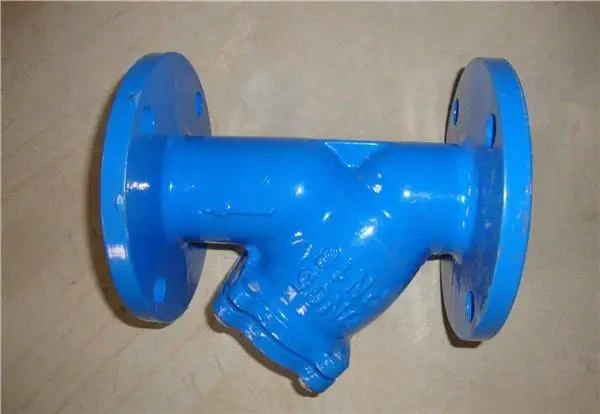
verschiedene Arten von Regelventilen und ihre Anwendungen
Verschiedene Arten von Regelventilen und deren Anwendungen Regelventile spielen eine entscheidende R
Valvola di ritegno al 6% per applicazioni industriali e resistenza ottimale
Valvole di Controllo al 6% Importanza e ApplicazioniLe valvole di controllo sono elementi fondamenta
 English